Your cart is currently empty!
Solar Panels: Are They Worth It?
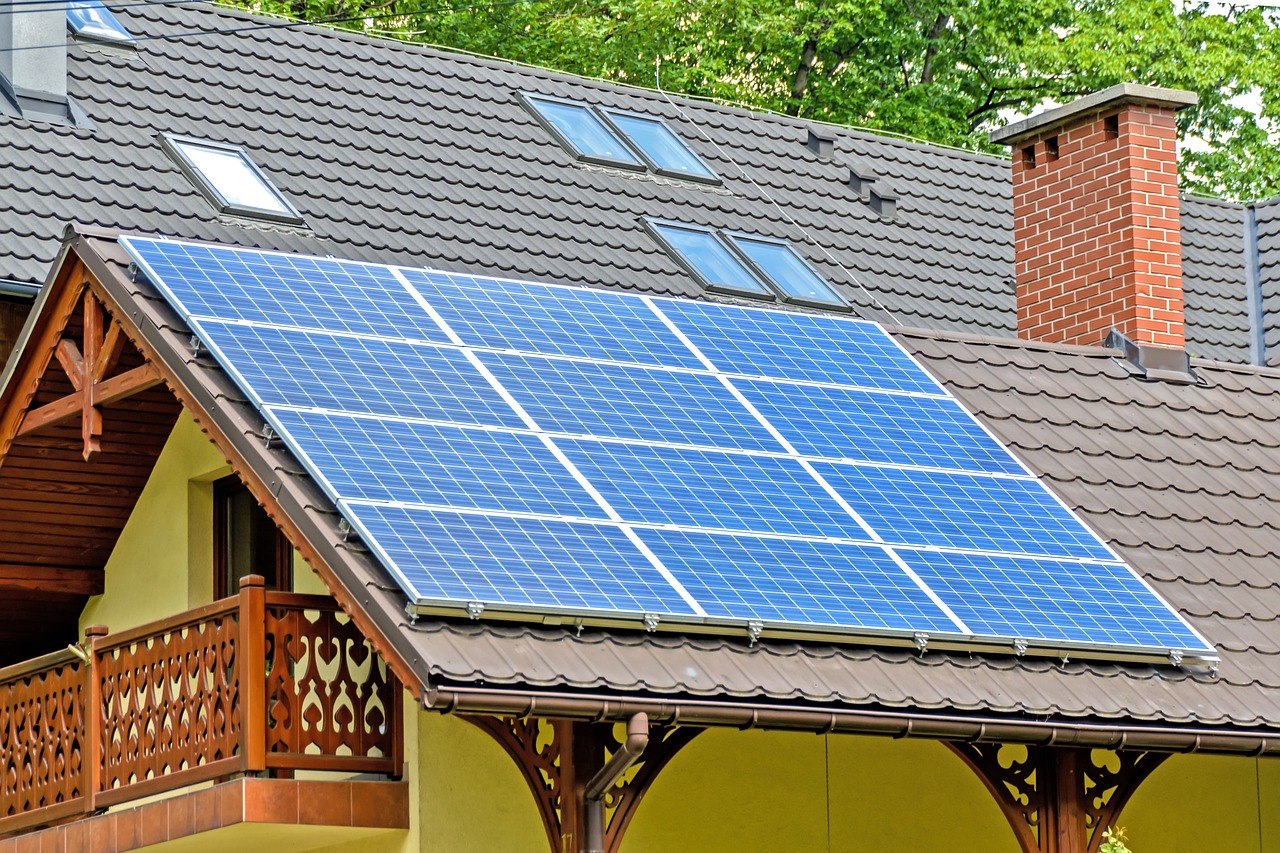
Solar panels have been gaining popularity in recent years as more people are looking for ways to reduce their carbon footprint and lower their energy bills. But with the initial investment required to install them, many are left wondering if solar panels are worth it. The truth is, there is no one-size-fits-all answer to this question as it depends on several factors. Factors such as your location, energy consumption, and available incentives can all impact the payoff of investing in solar panels. That being said, the benefits of solar panels are hard to ignore. They can significantly reduce your electricity bills, increase your property value, and help you do your part in protecting the environment. In this article, we will dive deeper into the pros and cons of solar panels, so you can make an informed decision on whether they are worth it for you.
How Do Solar Panels Work?
Before we dive into the benefits of solar panels, let’s take a quick look at how they work. Solar panels are made up of photovoltaic (PV) cells, which convert sunlight into electricity. When sunlight hits the PV cells, it creates an electric field that generates a flow of electricity. This electricity is then sent to an inverter, which converts it into usable electricity for your home.
Solar panels are typically installed on the roof of a home or building, where they can receive the most sunlight. They are connected to the grid, which allows excess electricity to be sent back to the power company for credit. This process, called net metering, can help offset the cost of electricity when you need to use more than your solar panels are producing.
Benefits of Solar Panels
Now that we have a basic understanding of how solar panels work, let’s dive into the benefits of installing them.
Lower Electricity Bills
One of the most significant benefits of solar panels is their ability to significantly lower your electricity bills. By producing your own electricity, you can reduce or even eliminate your reliance on the grid. This means you’ll be paying less for electricity each month, and you may even be able to earn credits for excess electricity sent back to the grid.
Increased Property Value
Installing solar panels can also increase the value of your property. A study by the National Renewable Energy Laboratory found that homes with solar panels sold for an average of 17% more than homes without them. This is because solar panels are a desirable feature for homebuyers, and they signal that the home is energy-efficient and environmentally friendly.
Environmental Benefits
Another benefit of solar panels is their positive impact on the environment. Solar energy is a renewable and clean source of energy, meaning it doesn’t produce greenhouse gas emissions or contribute to air pollution. By installing solar panels, you’re doing your part to reduce your carbon footprint and help protect the environment.
Factors to Consider Before Installing Solar Panels
While the benefits of solar panels are clear, it’s important to consider several factors before deciding to install them.
Location
Your location plays a significant role in the effectiveness of solar panels. The amount of sunlight your panels will receive depends on factors like latitude, climate, and shading. If you live in an area with a lot of shade or cloudy weather, solar panels may not be as effective as they would be in a sunnier area.
Energy Consumption
The amount of energy your household consumes also plays a role in the effectiveness of solar panels. If your household uses a lot of energy, you’ll need more solar panels to generate enough electricity to power your home. On the other hand, if you use very little energy, you may not need as many solar panels.
Upfront Costs
One of the biggest factors to consider when deciding whether to install solar panels is the upfront cost. While solar panels can save you money in the long run, the initial investment can be substantial. It’s important to weigh the upfront cost against the potential long-term savings to determine if solar panels are worth it for your household.
Cost of Solar Panels
The cost of solar panels varies depending on several factors, including the size of your system, the quality of the panels, and the installation costs. According to EnergySage, the average cost of a 6-kilowatt solar panel system is around $12,000 to $14,000 after incentives and rebates. However, costs can range from $10,000 to $20,000 or more depending on the factors mentioned above.
While the upfront cost of solar panels can be intimidating, it’s important to consider the potential long-term savings. According to EnergySage, homeowners who install solar panels can save an average of $600 per year on electricity bills. Over the lifetime of the system, this can add up to significant savings.
Financing Options for Solar Panels
If the upfront cost of solar panels is a concern, there are several financing options available. One option is to take out a solar loan, which allows you to finance the cost of the system over time. Another option is to lease the system, which allows you to pay a monthly fee for the use of the panels without having to pay for the system upfront.
Incentives and Rebates for Solar Panel Installation
There are several incentives and rebates available to homeowners who install solar panels. The federal government offers a tax credit of up to 26% of the cost of the system, which can significantly reduce the upfront cost. Additionally, many states and local governments offer their own incentives and rebates to encourage homeowners to install solar panels.
Solar Panel Maintenance and Lifespan
Solar panels require very little maintenance over their lifespan, which can range from 25 to 30 years. However, it’s important to keep the panels clean and free of debris to ensure they are working at their maximum efficiency. Additionally, you may need to replace the inverter or other components of the system over time.
Environmental Impact of Solar Panels
Solar panels have a positive impact on the environment by reducing greenhouse gas emissions and air pollution. However, it’s important to note that the manufacturing and disposal of solar panels can have negative environmental impacts. It’s important to choose high-quality panels that are made using sustainable practices and to dispose of them properly at the end of their lifespan.
Case Studies of Successful Solar Panel Installations
To get a better idea of the benefits of solar panels, let’s take a look at some case studies of successful installations.
Case Study 1: The Smith Family
The Smith family lives in a sunny area and has a high energy consumption due to their large family and home. They decided to install a 9-kilowatt solar panel system, which cost them $18,000 after incentives and rebates. Since installing the system, they have seen a significant reduction in their electricity bills, saving an average of $1,200 per year. They estimate that the system will pay for itself in around 12 years.
Case Study 2: The Jones Family
The Jones family lives in an area with a lot of shade and has a low energy consumption due to their small home and family. They decided to install a 3-kilowatt solar panel system, which cost them $6,000 after incentives and rebates. Since installing the system, they have seen a modest reduction in their electricity bills, saving an average of $300 per year. They estimate that the system will pay for itself in around 20 years.
Conclusion: Are Solar Panels Worth It?
In conclusion, whether solar panels are worth it for you depends on several factors, including your location, energy consumption, and available incentives. While the upfront cost of solar panels can be intimidating, the potential long-term savings and environmental benefits are hard to ignore. If you live in a sunny area with high energy consumption and have access to incentives and rebates, solar panels may be a smart investment for your household. As always, it’s important to do your research and weigh the pros and cons before making a decision.