Your cart is currently empty!
Planning a Home Solar Electric System
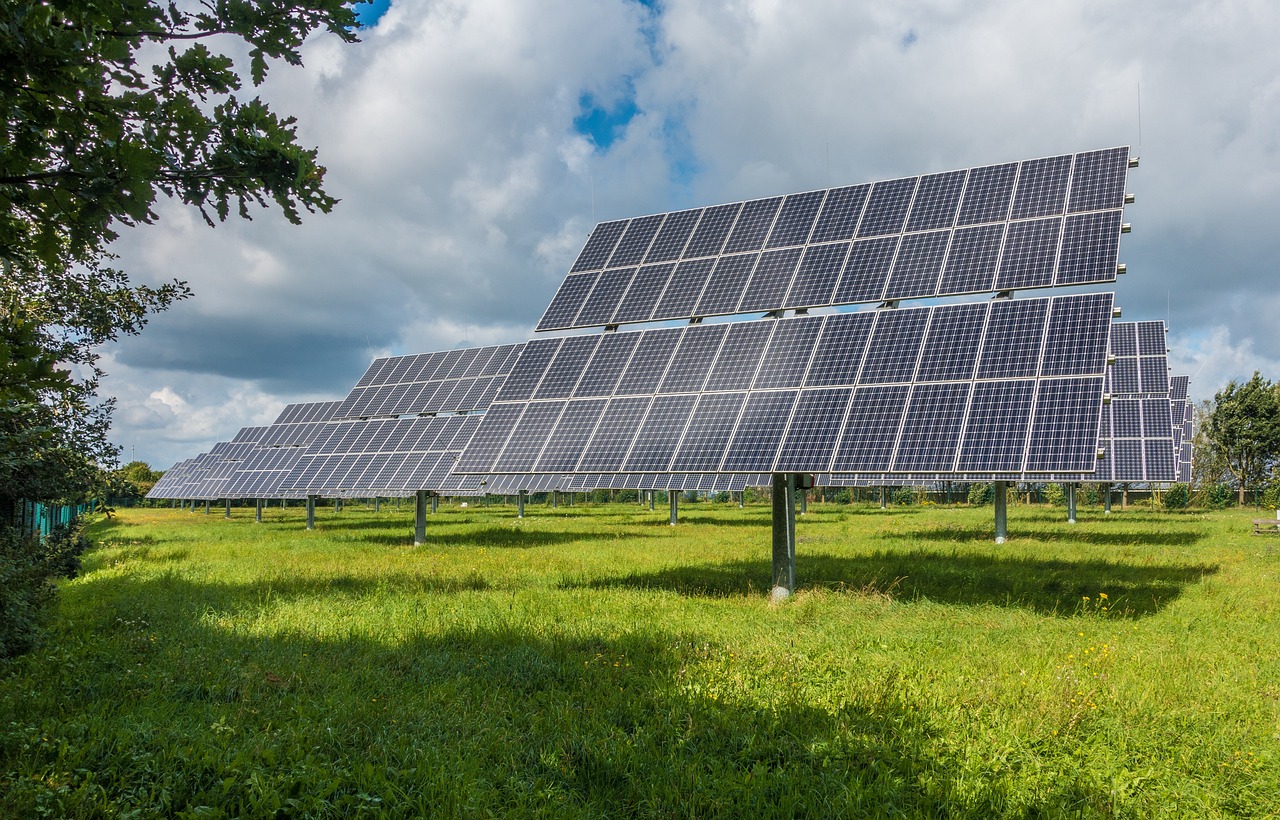
Are you tired of relying on traditional electricity sources that are not only expensive but also harmful to the environment? If yes, then it’s high time you consider planning a home solar electric system. With solar power, you can generate clean, renewable energy that not only reduces your carbon footprint but also saves you money in the long run. However, planning a solar electric system for your home can be a daunting task, especially if you’re not familiar with the technical jargon and components involved. That’s where I come in as a digital marketing specialist with expertise in promoting renewable energy solutions. In this article, I’ll guide you through the essential steps to take when planning a home solar electric system. From assessing your energy needs to choosing the right solar panels and hiring a professional installer, you’ll learn everything you need to know to make an informed decision about switching to solar power. So, let’s get started!
Benefits of Using Solar Energy at Home
There are several benefits to using solar energy at home. First and foremost, solar power is a clean and renewable energy source that does not emit harmful pollutants into the atmosphere. This means that you’ll be doing your part to reduce your carbon footprint and help combat climate change. Secondly, solar energy is a cost-effective alternative to traditional electricity sources. Once your solar electric system is installed, you’ll start saving money on your energy bills immediately. Thirdly, solar power is a reliable source of energy, even during power outages. This means that you’ll have access to electricity when you need it most, without having to worry about interruptions or downtime.
However, there are some drawbacks to using solar energy at home. One of the biggest drawbacks is the initial cost of purchasing and installing a solar electric system. While the long-term savings can be significant, the upfront investment can be a barrier for some homeowners. Additionally, solar panels require ample space and access to sunlight, which may not be possible for every home. Finally, solar panels require regular maintenance to ensure optimal performance, which can add to the overall cost of the system.
Types of Home Solar Electric Systems
There are two main types of home solar electric systems: grid-tied and off-grid. A grid-tied system is connected to the local utility grid and allows homeowners to sell excess energy back to the grid through a process called net metering. Net metering allows homeowners to earn credits for the excess energy they produce, which can be used to offset their energy bills. An off-grid system, on the other hand, is not connected to the utility grid and requires the use of batteries to store excess energy for later use. Off-grid systems are typically used in remote areas where access to the utility grid is limited or non-existent.
Grid-tied systems are the most common type of home solar electric system. They are relatively easy to install and maintain and offer the added benefit of net metering. Off-grid systems, on the other hand, require a more complex installation process and may require more maintenance to ensure optimal performance.
Factors to Consider Before Planning a Home Solar Electric System
Before you start planning your home solar electric system, there are several factors to consider. First and foremost, you’ll need to assess your energy needs to determine how much energy you need to generate. This will depend on several factors, including the size of your home, the number of occupants, and your energy consumption habits. You’ll also need to consider the orientation and shading of your roof, as well as the available space for solar panels.
Another important factor to consider is your budget. The cost of a solar electric system can vary widely depending on the size and complexity of the system, as well as the cost of installation. You’ll need to determine how much you’re willing to spend upfront and how much you’re willing to save in the long run.
Finally, you’ll need to consider the available incentives and rebates in your area. Many local and state governments offer tax credits and rebates for homeowners who install solar electric systems, which can help offset the upfront cost of the system.
Assessing Your Energy Needs
Assessing your energy needs is an essential step in planning a home solar electric system. To do this, you’ll need to gather information about your energy consumption habits and the appliances and electronics in your home. You can do this by reviewing your energy bills and conducting a home energy audit.
A home energy audit involves a thorough assessment of your home’s energy use, including an analysis of your appliances, HVAC system, lighting, and insulation. This can help you identify areas where you can reduce your energy consumption and optimize your solar electric system.
Once you have a clear understanding of your energy needs, you can use this information to determine the size and capacity of your solar electric system.
Choosing the Right Solar Panel and Inverter
Choosing the right solar panel and inverter is crucial to the performance and longevity of your solar electric system. There are several factors to consider when choosing solar panels, including efficiency, durability, and cost. High-efficiency solar panels are more expensive but can generate more energy per square foot than lower efficiency panels. Additionally, high-quality solar panels are more durable and require less maintenance over time.
When choosing an inverter, you’ll need to consider the type of inverter, the size, and the efficiency. There are two main types of inverters: string inverters and microinverters. String inverters are more affordable but are less efficient than microinverters. Microinverters, on the other hand, are more expensive but offer higher efficiency and better performance in low-light conditions.
Designing Your Solar Electric System
Once you’ve assessed your energy needs and chosen the right solar panels and inverter, you can begin designing your solar electric system. This involves determining the number of solar panels you’ll need, the placement of the panels on your roof, and the wiring and electrical components necessary to connect your solar panels to your home’s electrical system.
It’s important to work with a professional installer when designing your solar electric system. A professional installer can help ensure that your system is designed to meet your energy needs and is installed safely and correctly.
Permitting and Installation Process
Before you can install your solar electric system, you’ll need to obtain the necessary permits and approvals from your local government and utility company. This can involve submitting detailed plans and specifications for your solar electric system and working with a licensed electrician to ensure that your system meets all safety and code requirements.
Once you have the necessary permits and approvals, the installation process can begin. This typically involves mounting the solar panels on your roof, installing the wiring and electrical components, and connecting your system to the utility grid or batteries.
Maintenance and Monitoring of Your Solar Electric System
Regular maintenance and monitoring are essential to the performance and longevity of your solar electric system. This includes cleaning your solar panels regularly to ensure optimal performance, checking for any damage or wear and tear, and monitoring your energy production to ensure that your system is performing as expected.
Most solar electric systems come with a monitoring system that allows you to track your energy production and consumption in real-time. This can help you identify any issues or inefficiencies and take corrective action as needed.
Cost-benefit Analysis of Home Solar Electric Systems
Finally, it’s important to conduct a cost-benefit analysis of your home solar electric system to determine the long-term savings and return on investment. This involves comparing the upfront cost of your system to the potential savings on your energy bills over time.
While the upfront cost of a solar electric system can be significant, the long-term savings can be substantial. Additionally, many local and state governments offer tax credits and rebates for homeowners who install solar electric systems, which can help offset the upfront cost.
Conclusion
In conclusion, planning a home solar electric system can be a complex and challenging process, but it’s worth it in the long run. Solar energy is a clean, renewable, and cost-effective alternative to traditional electricity sources, and with the right planning and installation, you can start saving money on your energy bills immediately.
Remember to assess your energy needs, choose the right solar panels and inverter, work with a professional installer, and conduct regular maintenance and monitoring to ensure optimal performance. By doing so, you’ll be able to enjoy the many benefits of solar energy while reducing your carbon footprint and contributing to a more sustainable future.