Your cart is currently empty!
What Are Solar Panels Made Of?
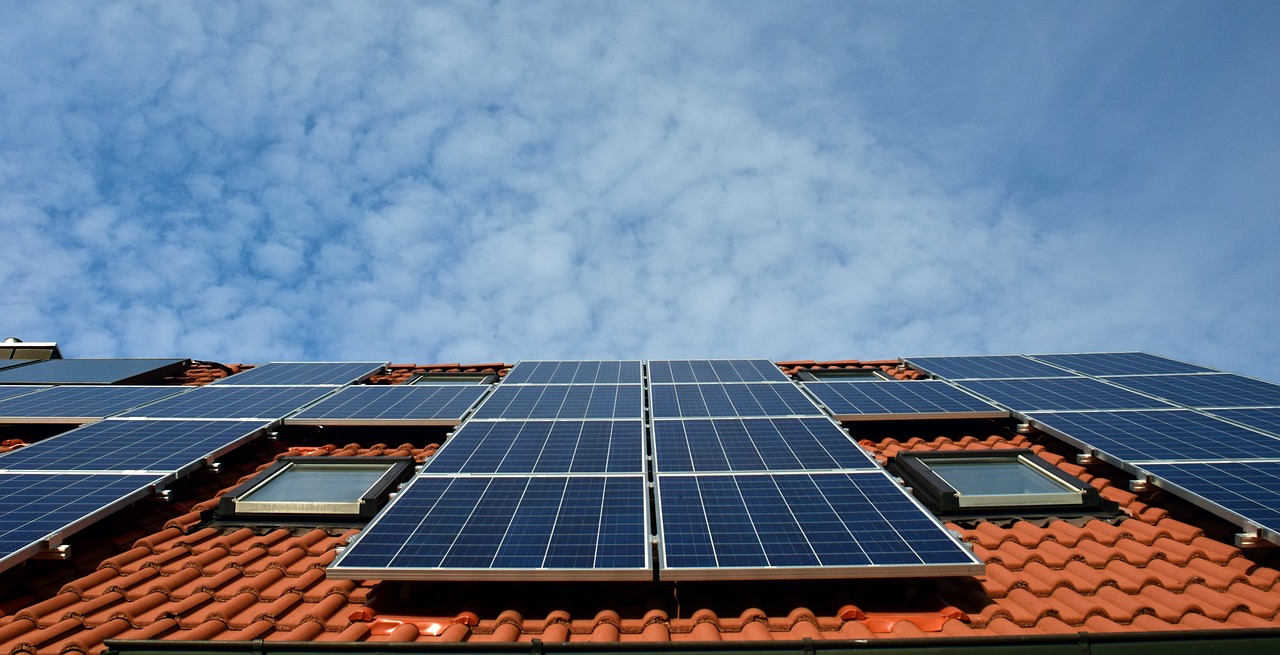
In today’s world, renewable energy sources like solar panels have become increasingly popular as people become more aware of the impact of non-renewable energy sources on the environment. Solar panels are being used to power homes, businesses, and even entire communities. But have you ever wondered what solar panels are made of? The answer might surprise you. These panels are not just a simple sheet of glass or plastic. In fact, they are comprised of several different materials that work together to harness the power of the sun. From semiconductors to metals, solar panels are a complex combination of components that require careful engineering and design. In this article, we will explore the various materials that make up solar panels and how they contribute to the creation of clean, renewable energy. So, let’s dive in and discover what solar panels are really made of!
Components of a Solar Panel
Before we dive into the details of what solar panels are made of, let’s first understand the basic components of a solar panel. A solar panel is made up of several layers of different materials that work together to convert sunlight into electricity. The top layer is a protective glass or plastic layer that shields the panel from the environment. The next layer is the solar cell, which is responsible for converting sunlight into electricity. The solar cell is made up of several layers of semiconducting materials. Below the solar cell is the backsheet, which protects the panel from moisture and other environmental factors. Finally, there is a frame that holds all these layers together and protects the panel from damage.
What Are Solar Panels Made Of?
Now that we understand the basic components of a solar panel, let’s dive into the materials that make up these components. The most important material in a solar panel is the semiconductor, which is responsible for converting sunlight into electricity. The most commonly used semiconductor material in solar panels is silicon. Silicon is abundant, durable, and has the right electrical properties to convert sunlight into electricity. However, silicon solar cells are not very efficient, and only a small percentage of the sunlight that hits them is converted into electricity.
To improve the efficiency of solar cells, researchers have experimented with different types of semiconductors. For example, some solar panels use thin layers of copper indium gallium selenide (CIGS) instead of silicon. CIGS solar cells are more efficient than silicon cells, but they are also more expensive to manufacture. Other types of solar cells use materials like cadmium telluride or organic materials to improve efficiency. However, these materials are also more expensive and less durable than silicon.
The top layer of a solar panel, which is made of glass or plastic, is also an important component. The glass or plastic layer protects the solar cell from the environment and allows sunlight to penetrate the cell. The glass or plastic layer must be transparent and durable to protect the solar cell from damage. The backsheet, which is located on the bottom of the solar panel, is typically made of a polymer material that protects the panel from moisture and other environmental factors.
Types of Solar Panels
There are several different types of solar panels, each with its own advantages and disadvantages. The most common types of solar panels are monocrystalline, polycrystalline, and thin-film solar panels. Let’s take a closer look at each of these types of solar panels.
Monocrystalline Solar Panels
Monocrystalline solar panels are made from a single crystal of silicon. These panels are more efficient than polycrystalline or thin-film solar panels, but they are also more expensive to manufacture. Monocrystalline solar panels are also more aesthetically pleasing than other types of solar panels and are often used for residential installations.
Polycrystalline Solar Panels
Polycrystalline solar panels are made from multiple crystals of silicon. These panels are less efficient than monocrystalline solar panels, but they are also less expensive to manufacture. Polycrystalline solar panels are often used for commercial installations where cost is a major consideration.
Thin-Film Solar Panels
Thin-film solar panels are made from a thin layer of semiconducting material that is applied to a flexible substrate. These panels are less efficient than monocrystalline or polycrystalline solar panels, but they are also less expensive to manufacture. Thin-film solar panels are often used for large-scale installations where cost is a major consideration.
Which Type of Solar Panel is Best for You?
Choosing the right type of solar panel depends on several factors, including your budget, the amount of sunlight your location receives, and the size of your installation. If cost is not a major consideration, monocrystalline solar panels are the most efficient and aesthetically pleasing option. However, if cost is a major consideration, polycrystalline or thin-film solar panels may be a better option. Thin-film solar panels are also a good option for installations where weight is a major consideration, such as on a rooftop.
Pros and Cons of Different Types of Solar Panels
Each type of solar panel has its own advantages and disadvantages. Monocrystalline solar panels are the most efficient and aesthetically pleasing option, but they are also the most expensive. Polycrystalline solar panels are less efficient but also less expensive than monocrystalline panels. Thin-film solar panels are the least efficient but also the least expensive option. However, they are also less durable than other types of solar panels.
Conclusion
Solar panels are a complex combination of components that require careful engineering and design. From semiconductors to metals to glass or plastic, solar panels are made up of several different materials that work together to harness the power of the sun. There are several different types of solar panels, each with its own advantages and disadvantages. Choosing the right type of solar panel depends on several factors, including your budget, the amount of sunlight your location receives, and the size of your installation. With the increasing demand for renewable energy sources, solar panels will continue to play an important role in providing clean, sustainable energy for generations to come.