Your cart is currently empty!
What to Consider When Choosing the Right Solar System for Your Home
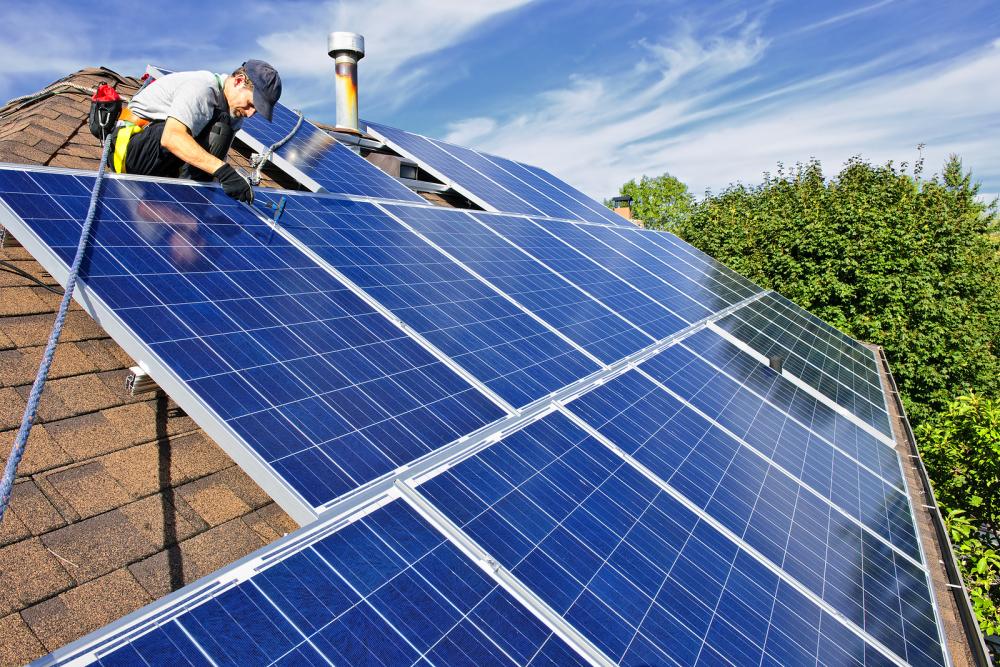
Are you considering installing a solar system in your home to reduce your electricity bills? It’s a great idea, but it’s important to do your research and make sure you choose the right one. In this blog post, we’ll go over some of the key factors to consider when choosing a solar system for your home, so you can make the best decision for your needs.
Understanding Your Solar Needs
When you’re looking to install solar energy in your home, it’s important to understand what your solar needs are. This includes factors such as the size of your house, how much energy is consumed by the home, and how much sunlight the area receives. With this information in mind, you can start to look for the best solar system for your home. Depending on your needs, you can choose from a variety of different systems, such as monocrystalline or polycrystalline solar panels. Additionally, you’ll need to consider the type of inverter and other components that will help you make the most out of your new solar system. Ultimately, with a bit of research and careful consideration of your needs, you’ll be able to find the perfect solar system for your home.
To ensure that you have enough energy for your home during periods of low sunlight, you may need to consider additional storage measures like batteries or even a generator. Additionally, it’s also important to look into government subsidies or tax benefits that can be used to help pay for the installation of a solar system in your home Meanwhile, having a solar system for your home is a great way to reduce your energy costs and help the environment. To ensure you get the most out of your solar system, it’s important to look into additional storage measures like batteries or even a generator for those periods of low sunlight. Additionally, make sure to look into government subsidies or tax benefits that can help with the installation of your solar system.
Evaluating Solar Panels
When evaluating solar panels for use in your home, the first thing to consider is cost. Do you have the upfront funds to cover the expense? Will you need to finance over time or can you take advantage of tax credits or other incentives? Depending on the area you live in, there may be incentives available to help cover some or all of the cost of solar installation. It’s important to explore all your options to see what resources are available. Also, it’s worth considering if you want to purchase or lease the system, as this could affect how much of a financial commitment is involved. Ultimately, investing in a solar system for your home can bring big savings over time, if you take the time to do your research and find the right plan for you!
The next factor to consider is the amount of sunlight your home receives. Is there enough exposure throughout the day and year that will allow your solar panels to supply a reasonable amount of electricity? To figure this out, you’ll need to do some research on the average amount of sun your home gets in a given day and throughout the year. You’ll also want to consider any trees or other elements that could be blocking the sun in your area. Local weather forecasts can give you a general idea of how much sunlight to expect, but for more accurate data, you should consider getting a solar site assessment done by a professional. Once you have all the information, you can decide if investing in solar panels for your home is worth it or not.
Finally, research the different types of panels available on the market and determine which ones offer maximum efficiency and reliability – these will be key factors in how much energy and money you’ll save in the long run However, researching the solar panels on the market is key to getting the best value for your money. It is important to consider both the efficiency and reliability of each panel when making a decision. Investing in panels that offer maximum efficiency and reliability will lead to long-term savings in both energy and money.
Comparing Solar System Installers
When comparing solar system installers, consider the cost of materials and labor, the installer’s reputation, and any guarantees or warranties that come with the system. Doing your research is essential to finding the right installer for you and your home. Check customer reviews to better understand their reliability and trustworthiness. It’s also important to make sure that their work is backed up with a guarantee. One of the most important things to consider when installing a solar system for your home is the cost of materials and labor, so make sure you compare prices among different installers before making a decision. Don’t forget, even if you find an installer who offers the lowest price, be sure that they are offering quality service as well. Every home is unique and it’s important to find an installer that can meet your individual needs and provide you with an energy-efficient, reliable solar system for your home.
Additionally, inquire about the installer’s experience with similar solar systems, their installation methods and timeline for completion, and any long-term maintenance plans they may offer. Having a solar system installed in your home is an exciting and rewarding experience, but it’s important to do your due diligence in order to ensure a successful installation. Research available installers, ask for references and make sure they’re qualified and experienced in working with solar systems. It’s also important to ask about any warranties they offer, as well as their customer service policies. Taking the time to go through this process will help guarantee a seamless installation and provide long-term peace of mind.
Make sure to ask for references from previous customers so you can verify the quality of their work firsthand Similarly, when you are looking to have a solar system installed for your home, make sure to ask for references from previous customers so you can verify the quality of their work firsthand. Don’t settle for less than what your home deserves and ensure that you have chosen the best system for your needs.
Managing System Maintenance and Costs
Ensuring your solar system is properly maintained is key to receiving the most efficient energy production and cost savings. Regularly scheduled maintenance should include cleaning the panels and evaluating the wiring of the system. Homeowners should also make sure their solar system is checked for safety hazards. Have a qualified technician inspect the wiring and other components of the solar system to guarantee reliable performance. It’s also important to check that all wiring is properly connected as this can affect the energy production and cost savings of your home solar system. With proper maintenance, you can ensure that your solar system is working at its best, providing optimal energy and cost savings for your home.
In addition to regular maintenance, you should also consider any warranties or insurance plans that could help offset costs in the event that a part of your system needs replacing or repair. This can be especially beneficial if you are living in an area with extreme weather or seasons as it could help protect against potential costly damages
However, when it comes to investing in a home solar system, you should also think about the warranty and insurance coverage available. This is especially important if you live in an area that gets extreme weather or large fluctuations in temperatures. Having a warranty or insurance plan can help protect you from costly damages or repairs if anything goes wrong with your solar system.
To Conclude
All in all, choosing the right solar system for your home shouldn’t be a daunting task. With the right research on different products and an understanding of your power needs, you should be able to make the best decision for your home. Solar systems are a great way to reduce your electricity bills and save money over time, so if you’re considering it, make sure to keep these considerations in mind when making your choice.