Your cart is currently empty!
Different Types of Solar Energy
As the world continues to shift towards renewable energy, solar power has emerged as a popular and effective source of clean energy. Solar energy is harnessed through various technologies, each with its unique characteristics and benefits. From photovoltaic panels to concentrated solar power, the different types of solar energy offer diverse solutions for various energy needs. Whether you are a homeowner looking to reduce your energy bills, a business owner seeking to power your operations with renewable energy, or a government looking to invest in large-scale solar projects, understanding the different types of solar energy is crucial. In this article, we will explore the various types of solar energy and the benefits they offer. So, whether you’re a solar enthusiast or just curious about the different technologies available, buckle up and get ready to learn!
Photovoltaic (PV) Solar Energy
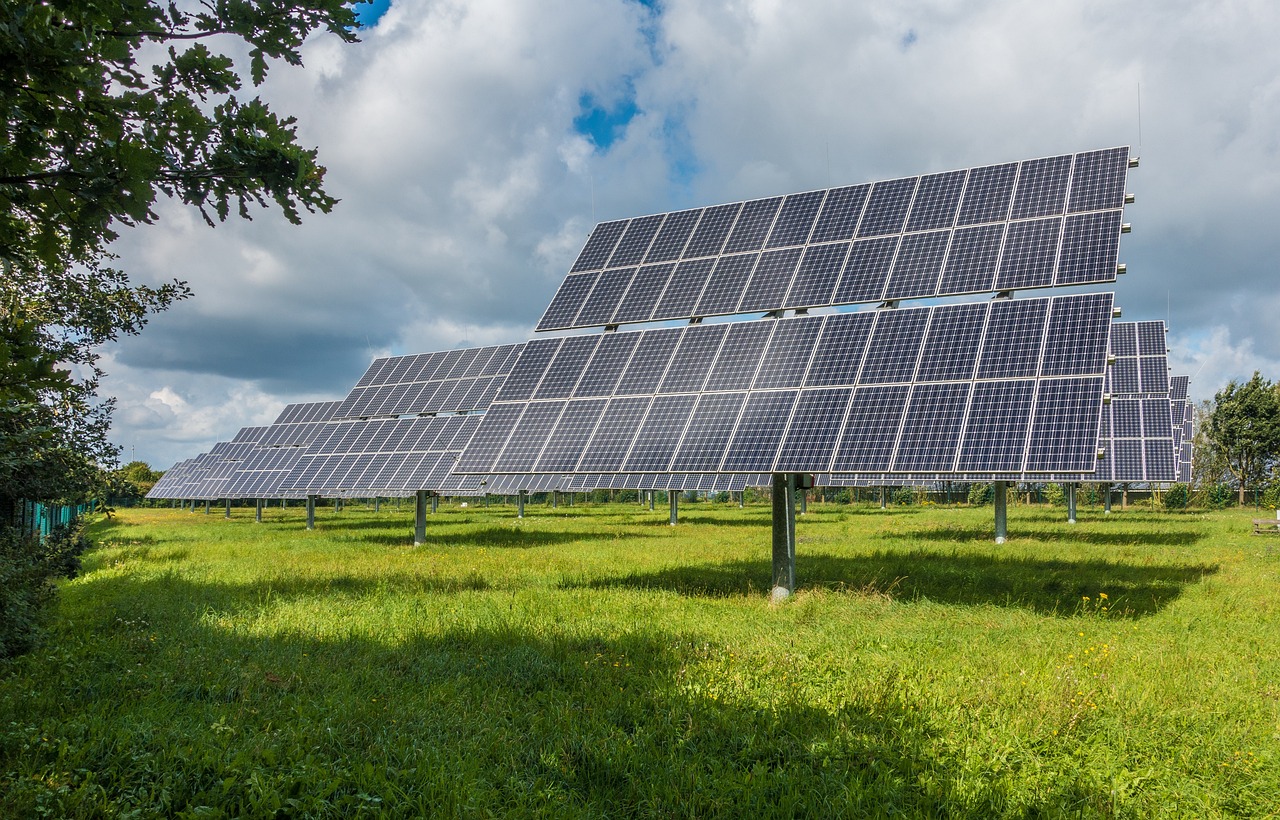
Photovoltaic (PV) solar energy is the most common type of solar energy used today. It involves the use of solar panels to convert sunlight into electricity. PV panels are made up of photovoltaic cells that are connected in series and parallel to form an array. When sunlight hits the cells, it excites the electrons, which causes them to move, generating a flow of electricity. PV panels can be installed on rooftops or on the ground, and they can be used to power homes, businesses, and even entire communities.
One of the benefits of PV solar energy is that it is a mature technology with a proven track record. PV panels can last for up to 25 years or more, and they require very little maintenance. Another advantage is that PV solar systems can be modular, meaning they can be scaled up or down depending on the energy needs of the user. However, PV solar energy does have some disadvantages. For example, it requires a large amount of space to generate significant amounts of electricity, and it can be expensive to install.
Concentrated Solar Power (CSP)
Concentrated Solar Power (CSP) is a type of solar energy that uses mirrors or lenses to concentrate sunlight onto a small area, creating heat that is then used to generate electricity. CSP systems can be divided into two categories: parabolic troughs and solar power towers. Parabolic troughs use curved mirrors to focus sunlight onto a tube filled with a heat transfer fluid, such as oil or water. The fluid is then used to produce steam, which drives a turbine to generate electricity. Solar power towers, on the other hand, use a central receiver to collect the sunlight reflected by a field of mirrors. The heat is then used to generate electricity in the same way as parabolic troughs.
One of the benefits of CSP is that it can generate electricity even when the sun is not shining, as the heat can be stored for later use. This makes CSP a more reliable source of energy than PV solar panels. CSP systems are also more efficient at generating electricity on a per-acre basis, as they require less land than PV panels. However, CSP systems are more expensive to build and maintain than PV panels, and they require more complex technology.
Passive Solar Energy
Passive solar energy is a type of solar energy that uses the design of buildings to capture and use sunlight for heating and lighting. Passive solar design involves using building materials and orientation to maximize the use of natural light and heat. For example, a building can be designed with large windows on the south side to allow sunlight to enter and warm the interior. The use of thermal mass, such as concrete or brick, can also help to store the heat and release it slowly over time.
One of the benefits of passive solar energy is that it is a low-cost and low-tech solution that can be applied to new or existing buildings. Passive solar design can also reduce the need for artificial lighting and heating, which can save energy and reduce utility bills. However, passive solar energy is limited by its dependence on the location and orientation of the building. Buildings in regions with low levels of sunlight may not be able to benefit from passive solar design.
Solar Water Heating
Solar water heating is a type of solar energy that uses the heat from the sun to heat water for domestic or commercial use. It involves the use of a collector, which absorbs sunlight and transfers the heat to a tank of water. The heated water can then be used for showers, washing, and other purposes. Solar water heating is a popular technology in many parts of the world, particularly in sunny regions with high energy costs.
One of the benefits of solar water heating is that it can be a cost-effective way to reduce energy bills and carbon emissions. It can also be used in combination with other energy sources, such as gas or electricity, to provide hot water on cloudy days. However, solar water heating is limited by its dependence on sunlight and can be less effective in regions with low levels of sunlight.
Hybrid Solar Energy Systems
Hybrid solar energy systems combine two or more types of solar energy technologies to maximize energy production and efficiency. For example, a hybrid system may combine PV solar panels with a CSP system or a solar water heating system. Hybrid systems can be customized to meet the specific energy needs of the user and can be designed to provide electricity, hot water, and heating and cooling.
One of the benefits of hybrid solar energy systems is that they can provide a more reliable and cost-effective source of energy than a single system alone. Hybrid systems can also be designed to operate off-grid, which can be useful in remote locations or during power outages. However, hybrid systems can be more complex and expensive to install and maintain than a single system.
Advantages and Disadvantages of Each Type of Solar Energy
Each type of solar energy has its unique advantages and disadvantages. PV solar energy is a mature technology that is reliable and modular, but it requires a large amount of space and can be expensive to install. CSP is more efficient and reliable than PV solar energy, but it is also more complex and expensive. Passive solar energy is a low-cost and low-tech solution that can be applied to new or existing buildings, but it is limited by its dependence on the location and orientation of the building. Solar water heating is a cost-effective way to reduce energy bills, but it is limited by its dependence on sunlight. Hybrid solar energy systems can provide a more reliable and cost-effective source of energy, but they can be more complex and expensive to install and maintain.
Choosing the Right Type of Solar Energy for Your Needs
When choosing the right type of solar energy for your needs, it is important to consider your energy goals, budget, location, and energy needs. For example, if you are a homeowner looking to reduce your energy bills, PV solar energy may be the best option, as it is a mature technology that is reliable and modular. If you are a business owner seeking to power your operations with renewable energy, a hybrid system may be the best option, as it can provide a more reliable and cost-effective source of energy. If you are a government looking to invest in large-scale solar projects, CSP may be the best option, as it is more efficient and reliable than PV solar energy.
Future of Solar Energy
The future of solar energy looks bright, with continued advancements in technology and increased adoption around the world. Researchers are developing new materials and designs for PV solar panels that can increase their efficiency and reduce their cost. CSP systems are also being improved, with new technologies that can store heat for longer periods of time. The use of solar energy is also expanding into new areas, such as transportation, with the development of solar-powered cars and buses.
Conclusion
Solar energy is a versatile and effective source of clean energy that can meet a variety of energy needs. From photovoltaic panels to concentrated solar power, the different types of solar energy offer diverse solutions for various energy needs. Understanding the advantages and disadvantages of each type of solar energy is crucial when choosing the right system for your needs. As the world continues to shift towards renewable energy, solar power will play an increasingly important role in meeting our energy needs.