Your cart is currently empty!
Category: Problems
Common Solar Panel Problems and Solutions
Solar Panel Maintenance: Common Issues and Solutions
Investment in solar panels is one of the finest decisions for our planet to be more sustainable, to bring a positive change. Besides, it will save you a lot in terms of energy bills. The general rule is that solar panels require little or no maintenance. This article will help you learn about general problems and their solutions related to solar energy.
Inefficiency Issues with Solar Panels: Probably the most common problem faced by solar panels has to do with their inconsistent efficiency with regard to converting sunlight into usable energy. Indeed, a host of factors may affect the productivity of solar panels, like incorrect installation, inappropriate orientation, shading by trees or buildings in close proximity, and even the deposit of dirt or other debris on the panels themselves. Fortunately, their efficiency can be enhanced by placing them in the best sunlight-exposed areas and keeping them clean. Also, investment in the tracking system for solar panels is rewarding since these systems move around the panels throughout the day to keep them at the most active sun-exposure position.
Vulnerability to Severe Weather Conditions
Solar panels are very vulnerable in case of severe weather conditions like high winds, hail, or lightning strikes. The panels either get damaged, or the electrical components that connect the solar panels to the solar energy system get damaged. To protect your solar panels from bad weather, ensure that they are installed by a knowledgeable professional and regularly inspected to maintain tight connections and check for any damaged parts.
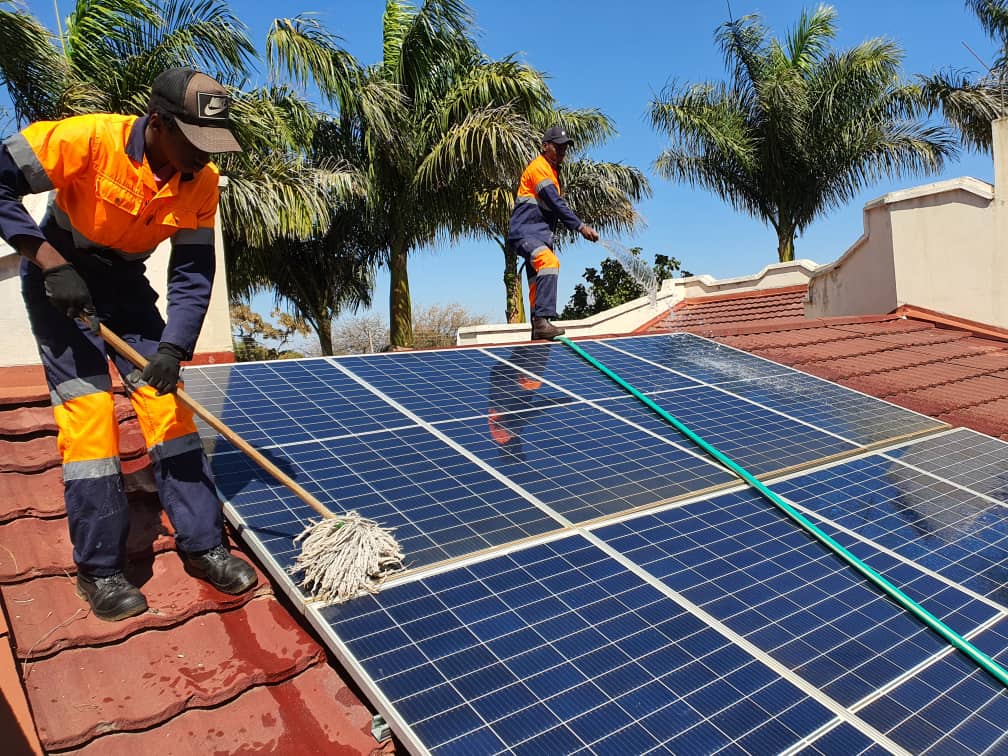
The efficiency of solar panels requires regular cleaning and maintenance. Being outdoors, these panels are affected by the action of the elements, which accumulate dirt and debris on their surfaces. If not regularly cleaned, this may reduce their effectiveness in sunlight absorption, thus impacting negatively on overall efficiency. To increase longevity, clean them regularly and annually have them checked by a professional to ensure the system operates correctly.
Risk of Theft
Solar panels risk theft, especially in cases involving installations in secluded areas, such as rural properties. The installation of panels in less accessible areas and taking advantage of security systems, such as alarms or surveillance cameras, may help in avoiding theft.
For more insightful content, follow our LinkedIn page below.
Aesthetic Concerns
A number of people feel that solar panels are unattractive in their size or the way they are mounted on rooftops. If you feel that aesthetics are important, then place them in less conspicuous areas or invest in covers that could camouflage them with color or design, making them more complementary to the outside of your home.
The solar panels are connected to the electrical grid, and therefore, a lot of problems in connection, such as loose wiring or breaks, may be given. These may be manifested as a loss of power, including possible fire hazards in extreme cases. Most of these electrical issues can be substantially reduced when one gets his or her solar system installed by a qualified professional and scheduled inspections.
Inverter Failures
Inverters are responsible for converting the DC electricity that is coming from the panels into AC electricity, which is usable in your household. This will result in a loss of power or fire hazard if there is any malfunction here. Proper installation and regular inspection of the system are highly recommended to avoid this kind of problem while monitoring its display for error messages.
Battery Problems
Most of the off-grid solar systems have a tendency to use various sorts of batteries for storing electricity. As a matter of fact, they might get affected by several other issues like sulfation, overcharging, or undercharging of the batteries. Lack of maintenance related to those batteries might result in power outrages or even fire hazards. Professional installation and periodic inspection will surely help in the avoidance of problems related to batteries.
Panels are prone to destruction under extreme atmospheric conditions such as strong winds or hailstones. Install them in the most protected locations and be on the lookout for potential damage marks.
Price
This is also considered to be a general misconception about solar panel installations-that it costs too much, just like its high maintenance cost. Although prices have recently gone down, the initial investment to be made can still be very substantial, and regular maintenance may be required for its optimal performances. In order to alleviate any type of cost concern, consider availing of government incentives such as tax credits or rebates, and consider financing options such as through loans or lease programs.
Hot Spots
Hot spots are a result of electrical malfunctions inside the panels, and are often associated with incorrect installation or cuts in wiring. This could further cause power loss and even fire hazards. In this case, hot spots can be prevented by standard inspections, staying on top of tight connections, and monitoring the panel display for any error alerts.
PID effect
This is possible when electric potential can build up on the surface over time, consequently impacting performance; PID takes place because of either improper installation or extreme temperatures. Professional installation with regular inspection can be done to prevent PID.
Soiling
The cleanliness of the solar panel is related to the efficiency of operation. Dust, pollen, bird droppings, and leaves might block the sunlight that reaches the panels. Regular cleaning and inspections will hold the panel in optimal performance.
Accumulation of Snow
Snow reduces the generation capacity of a panel, or it may even cause physical damage to the panel if it stays for too long. Cleaning and inspections shall be done regularly to resolve all snow-related issues.
Birds
Birds can cause significant damage by building their nests on solar panels or pecking on the surface, and droppings can be a different reason that affects efficiency. Regular cleaning and inspections help in preventing such conditions.
Snail Trails
Snails’ trails reduce the performance and can possibly cause damage if large amounts start to build up. These threats need regular inspection and cleaning.
Insect Infestation
Insects can physically damage panels as a result of nesting on them or leaving droppings that may interfere with operation. Cleaning is important in prevention.
Roof Damage
In case the solar panels are mounted on the roof, be aware of the possible damage that could be caused to the roof from the improper installation of the solar panels, which could result in leakage or other problems. Regular checks will be necessary to assure you that the installation was done correctly and that no damage has been done.
Conclusion
Solar panels are a fantastic opportunity to save money on energy and to protect the environment. However, one has to know things about maintenance, too, so that they could last longer. These procedures will include routine inspections for damage or deterioration and routine cleaning of the standard ones you should do to maintain your solar energy system.
Repairing Cracked Solar Panels: Effective Methods and Insights
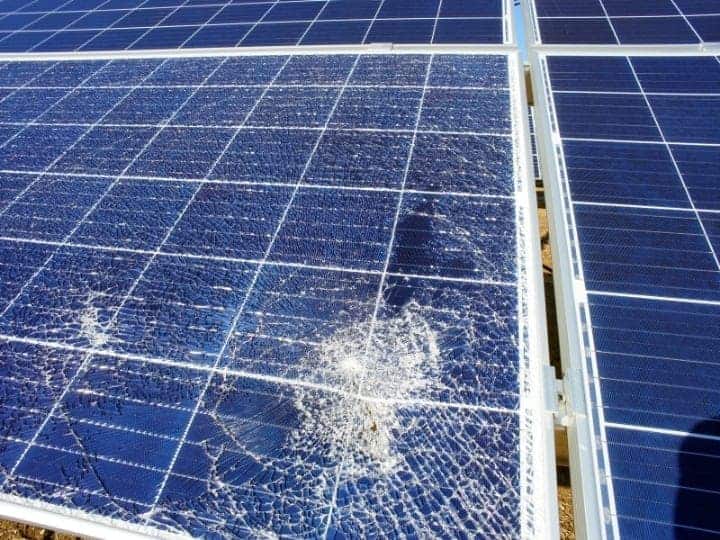
Cracked solar panels can be a very serious problem for solar system owners. Although it is not often experienced, this could be a problem developed through time due to several reasons: thermal cycling, weather condition issues, and improper handling.
This article will walk you through steps on how to repair cracked solar panels, considering two major techniques: covering the panel with laminating film and using polyurethane.
In this work, we will look into what causes the panels to crack, explain why repairs are necessary, and go further to provide a step-by-step guide on how to undertake each of these methods of repair. An understanding of these methods might put you in a position to save some replacement costs by increasing the life of your solar panels.
It is, however, paramount to note that these practices are most effective if the crack issue is minor and that major damage may require a professional assessment or even replacement of the panel.
Can a Cracked Solar Panel Be Repaired?
Many homeowners, upon experiencing a cracked solar panel, are always kept guessing whether there is a way of fixing it without being burdened with expensive replacement costs.
Thankfully, in regard to small cracks, yes, there do exist some repair ways that will grant your solar panel an extended service life and functional efficiency.
The most accessible techniques in a self-sufficiency philosophy for the repair of cracked solar panels are laminating film and polyurethane.
Application of the laminating film involves laying a clear, waterproof film over the cracked panel and bonding it by using heat from a heat gun. That keeps it protected against moisture and keeps loose fragments of glass in place.
On the contrary, the polyurethane method involves the application of a quick-drying, weather-resistant coat of polyurethane over the panel. This liquid adhesive goes into the gaps, sealing the cracks and bonding together the shattered glass.
These techniques may work quite well for minor cracks, but one should not be oblivious to the fact that they are not infallible. For those panels that are badly damaged or if pieces of glass have started to flake off, these repair methods may not work effectively.
But in such cases or whenever you feel that the area of destruction is more than just trivial, it’s recommended you seek the service of a professional solar installer who will be in the better place to assess the condition and recommend the best course of action, which can be taken and may include replacement of the panel.
Common Causes of Cracked Solar Panels
Before discussing the techniques of repair, it is important to understand what causes cracks in solar panels in the first place. These causes will also help in preventing future damage and increase the life expectancy of your solar system.
Thermal Cycling
The primary causes of cracked solar panels are thermal cycling. During the day, there is a heat and cool cycle of the solar panels that consists of expansion and contraction of the materials. This can be repetitive enough to create micro-cracks in the glass layer, which over time may grow and develop into larger fractures.Dynamic or Cyclic Pressure Loads
The panels can sustain some high winds and bad weather that may cause the panels to twist or bend moderately. As a result of these forces, there is a mechanical stress inside the glass layer that will finally cause the crack.Hail Storms
Though solar panels are designed to bear elements of the weather, constant drumming by the hailstones can have a cumulative grinding effect on the surface of the glass, causing cracks eventually.Improper Transportation and Handling
It is also during transportation or at installation that damage due to mishandling may occur. Dropping, bumping of panels or shifting during transport causes the panels to crack or have other structural defects.Installation on Non-Planar Surfaces
The installing of solar panels on uneven surfaces creates points of stress which lead to bending or twisting of panels. This constant stress encourages the formation of cracks with time.Manufacturing Faults
Sometimes, panels leave the factory with defects that are in the form of micro-cracks. These are further exacerbated by environmental factors with time.Why Cracked Solar Panels Need to Be Repaired
Cracked panels in your solar system need your prompt attention to ensure that it works efficiently and lasts longer. Here are some reasons why:
Water and Moisture Resistance Compromised
The glass layer of a solar panel mainly provides protection from environmental factors internally. Once fissures appear, water can get into the panel and cause short circuits and damage to internal parts. In worst conditions, it can cause safety risks like electrical fire and electrocution hazards.Flaking off Glass Surface
This causes parts of the surface glass to start flaking off with the development of fractures. In turn, this exposes internal parts directly to environmental hazards, greatly reducing the efficiency and life of the panel.Methods of Repairing Cracked Solar Panels
Now that we understand the need for taking care of cracked panels, let’s look at two effective methods of repair:
Method 1: Encasing the Panel with Laminating Film
This is simple, low-cost, and quite efficient if the crack is small.
Materials Needed:
- Transparent laminating film
- Heat gun
- Squeegee or squiggle tool
Step-by-Step Process:
- Place the laminating film on top of the cracked solar panel.
- With the squeegee, spread out the film while eliminating any bubbles or folds between the panel surface and the film.
- Use the heat gun to bond the laminate film to the panel surface.
- This technique creates a waterproof barrier that keeps moisture at bay from ingressing, at the same time keeping glass pieces together, minimizing further flaking.
Method 2: Applying Polyurethane
Another efficient and much less costly repair method for broken solar panels includes the use of polyurethane.
Materials Needed:
- Fast-drying polyurethane-make sure it is water and weather-resistant
- Mixing container
- Squeegee or scraper
Step-by-Step Operation:- Level the panel using a spirit level to ensure uniform coverage.
- Clean the panel thoroughly.
- Mix the polyurethane following the instructions on the manufacturer.
- Pour the majority of the polyurethane over the panel but leave some portion for reserve.
- Even out the squeegee or scraper over the surface with the polyurethane.
- Wait a few minutes for it to seep into the cracks.
- Fill in low spots with the remaining polyurethane.
- Let the panel fully dry out.
- Allow additional coats to take as needed to finish.
- The process tends to seal the cracks, which prevents moisture entry and helps keep the pieces of glass together in their places.
Effectiveness of the Various Methods of Repair
Success of these methods of repair largely depends on the extent of the damage:
Small Cracks:
Although the technique will work in a panel with just minor cracks, the laminating film and polyurethane methods work quite well. They are indeed capable of preventing the water from passing through and the flaking off of the glass, to prolong the life of a panel immensely.Extreme Damage:
These repair methods might not be as successful if the solar panels have extensive cracking or the glass pieces have already begun breaking off. They still might offer some sort of protection but can’t return the panel to its original state and can’t stop further efficiency degradation.Replacement over Repair: When to Decide
Sometimes, it pays much more to replace a panel rather than trying to fix it:
In cases where the cracks are so diffused that they occupy a big part of the panel area; A critical drop in efficiency was found to have resulted. Internal components have been severely damaged by water or other external factors. The cost for repair is close to what it would cost to have a new panel installed. With the glass theoretically replaceable, the low efficiency and high cost that it actually makes more sense to replace the panel as a whole.
ConclusionCracked solar panels can do serious damage to the performance and lifespan of your solar system, but most importantly, it can be unsafe.
The techniques shown here in this article are primarily useful for fixing minor cracks either by laminating film or applying polyurethane as an aid to block moisture intrusion which would eventually cause greater damage.
Keep in mind, however, that these do-it-yourself procedures are best suited for minor issues. If the cracks are widespread, or you are quite unsure about the extent of the damages, it always behooves you to seek advice from a professional solar panel installer. They will make a more competent assessment and advise you on what to do and whether some adjustments or replacement is called for.
Consistent checking of the solar panels can help find any faults in their early stages for easier repair and maybe altogether avoidance of replacement costs.
By understanding what has caused the crack and how to deal with it, you will be able to make sure that your solar investment keeps producing clean and efficient energy for many more years to come.